Duration 2 days and 1 night
Difficulty Check with your travel agent
Max altitude about 4,130 m a.s.l. (Amantaní)
Best time to go April to May
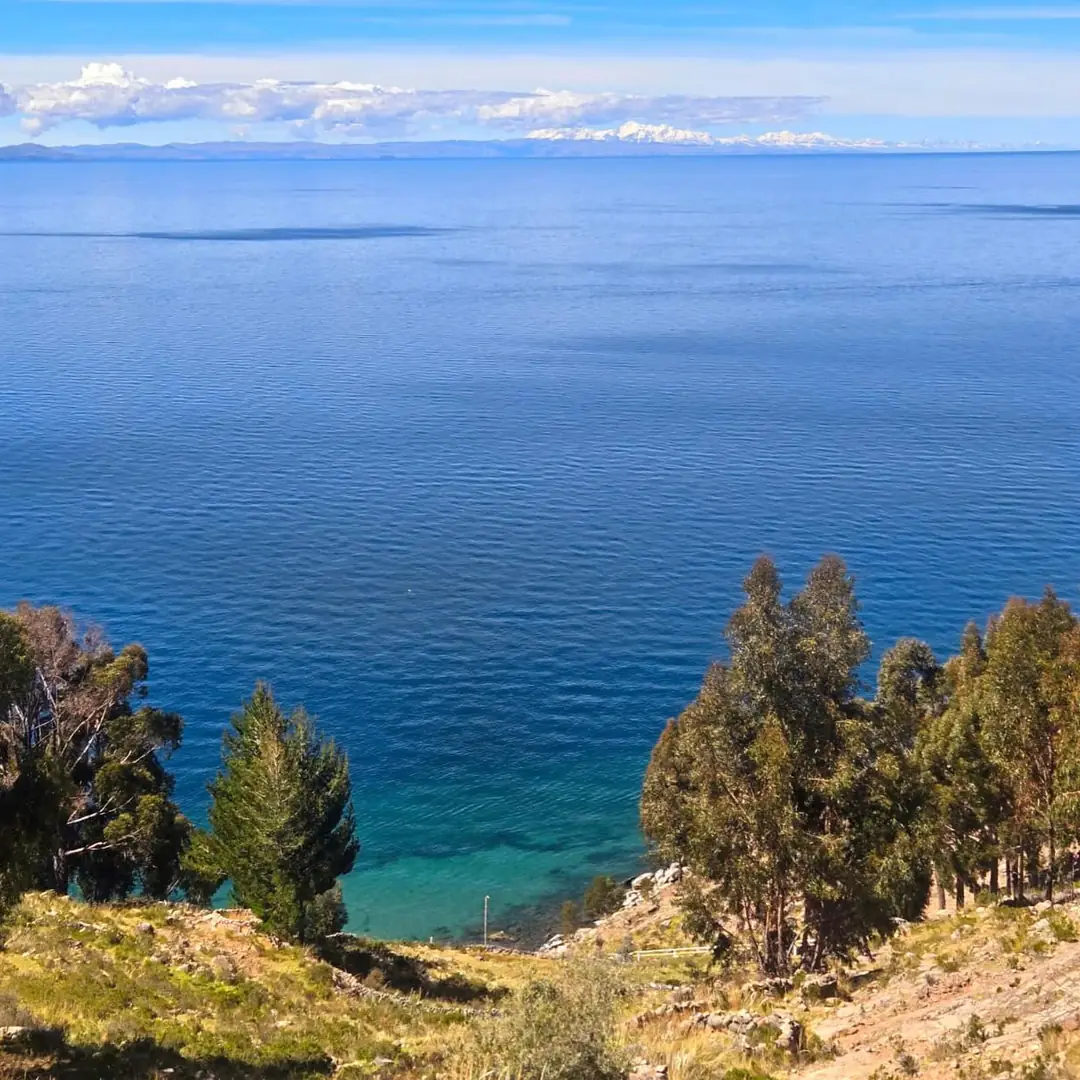
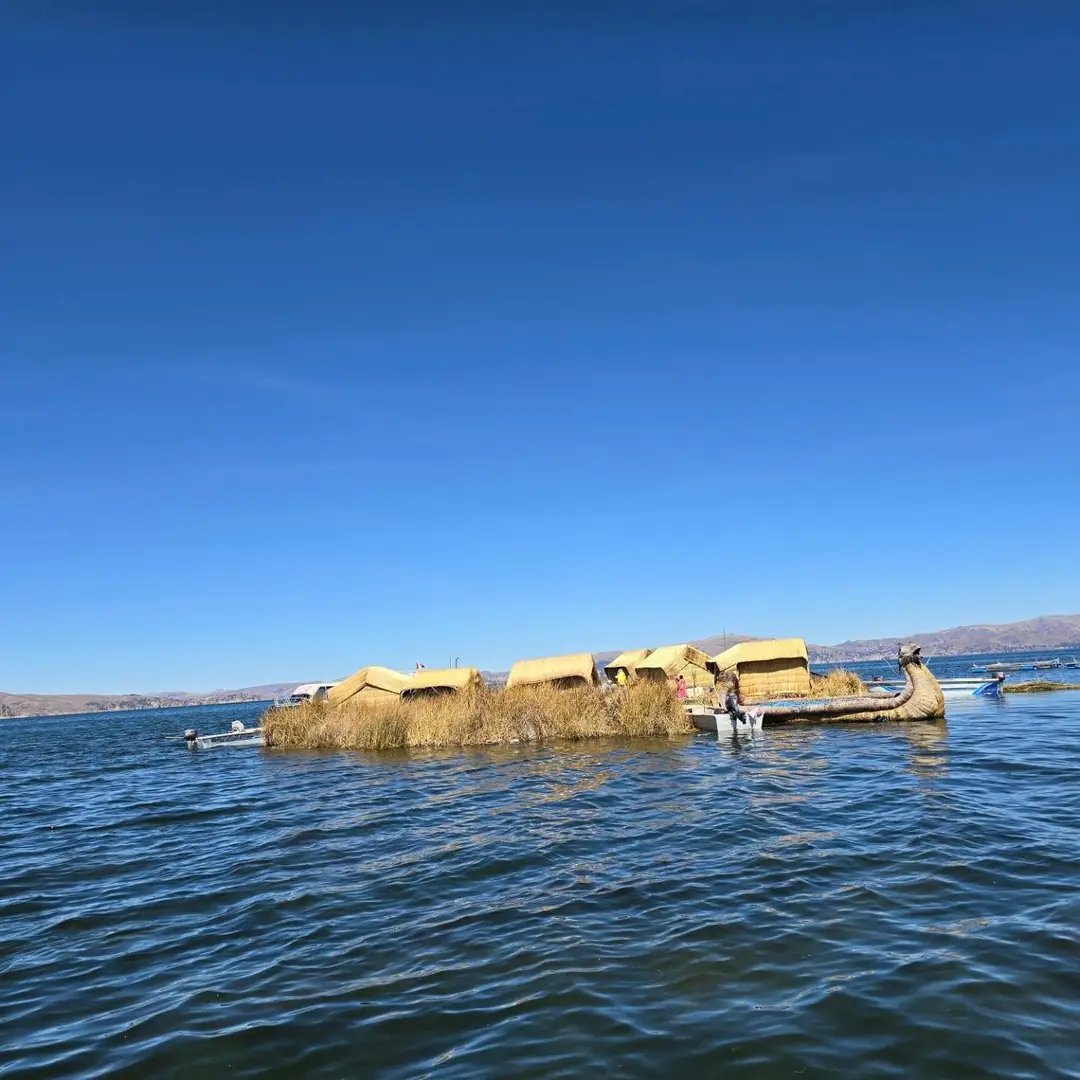
On this 2-day Lake Titicaca tour, you'll immerse yourself in the magic of the highest navigable lake in the world. You'll visit the floating islands of the Uros, where locals build their homes from totora reeds and live from fishing and handicrafts. We'll continue to Amantaní Island, where the people will welcome us with music, songs and traditional dress to share their traditions and culture; then they'll take you to their homes and offer you their hospitality. Later, we'll climb to the temples of Pachamama and Pachatata to take in spectacular views at sunset, and at night you'll enjoy a party with traditional Andean music.
The next day, you'll sail to Taquile Island, internationally renowned for its textile tradition. You'll see how its people keep ancestral customs alive in their colorful textiles, and you'll wrap up the experience with a traditional lunch before returning to Puno. Since you'll spend only one night away, we recommend bringing just the essentials and leaving your large luggage at your hotel in Puno.
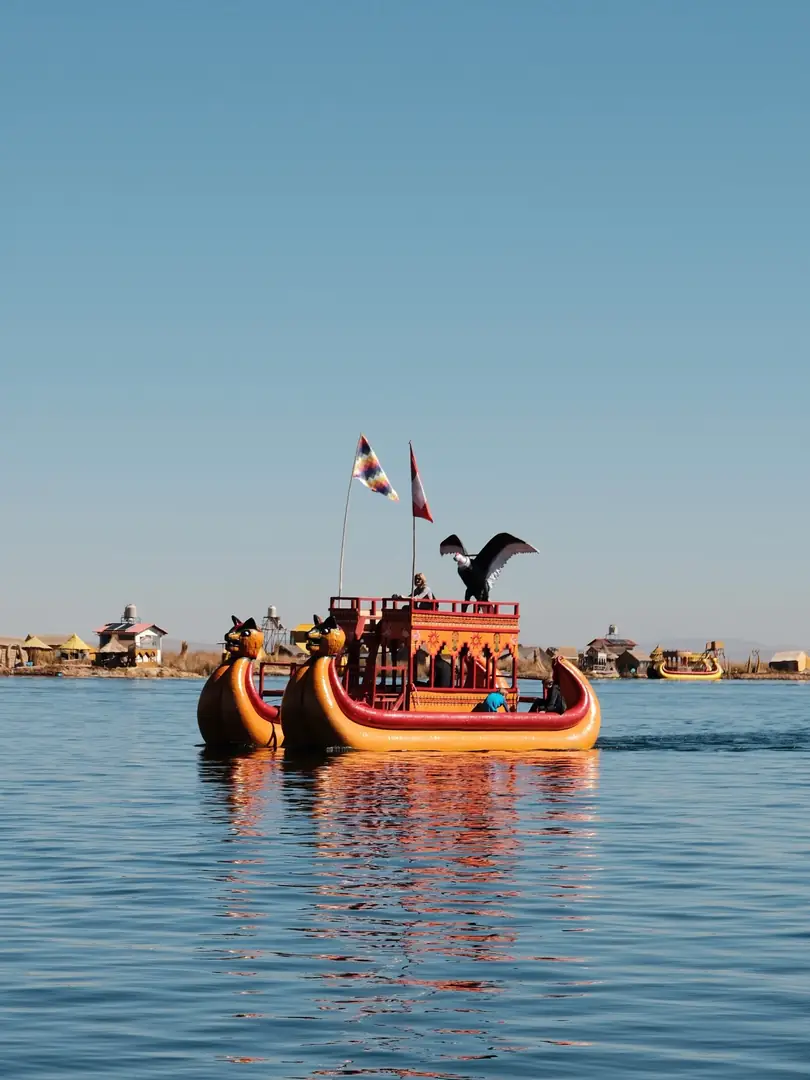
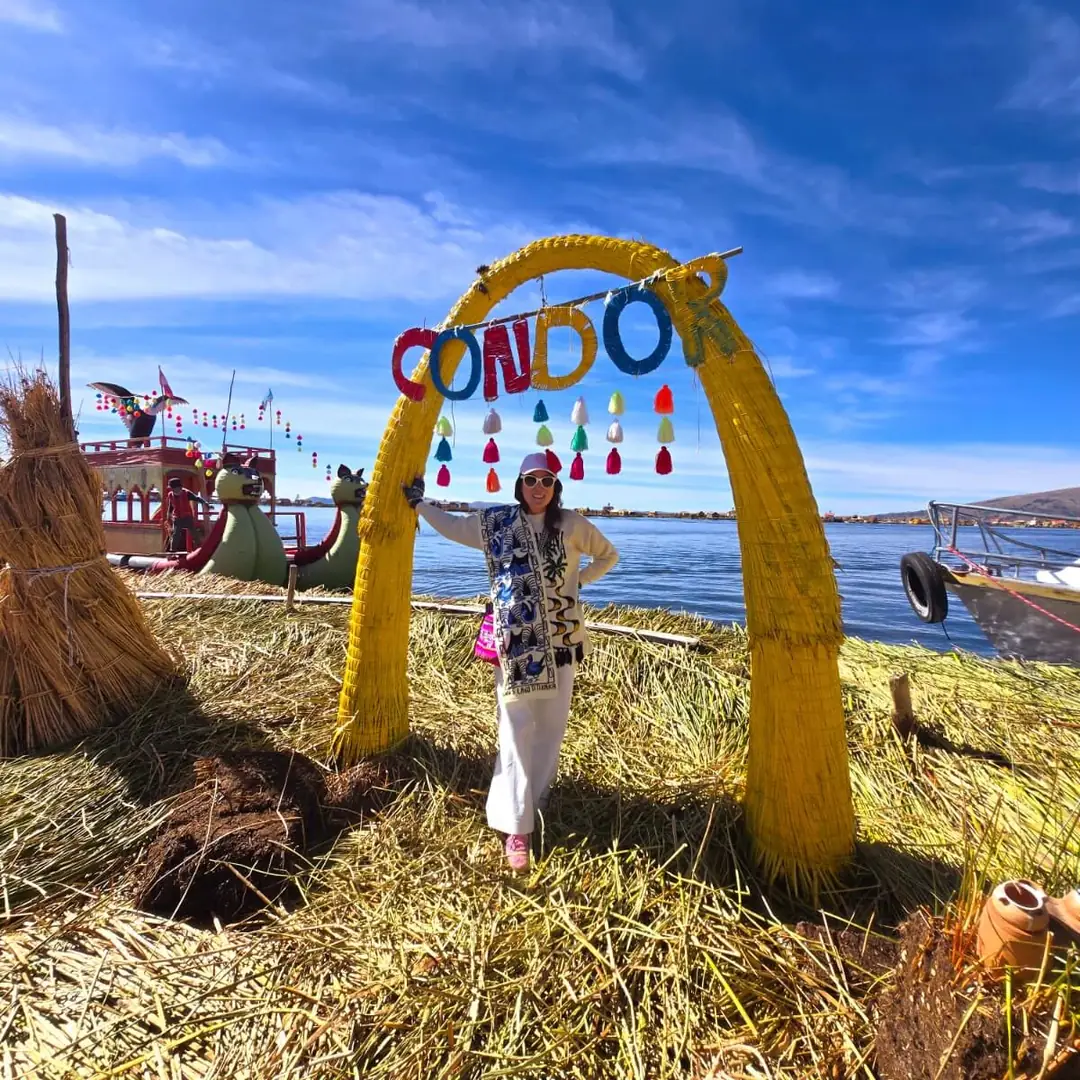
The tour starts with pickup from your hotel in Puno at 7:40 a.m. We'll then head to the port, where you'll board the boat at 8:00. From 8:00 to 8:30, you'll explore the floating islands of the Uros, built from totora reeds, and learn how they stay afloat and about the activities of their inhabitants.
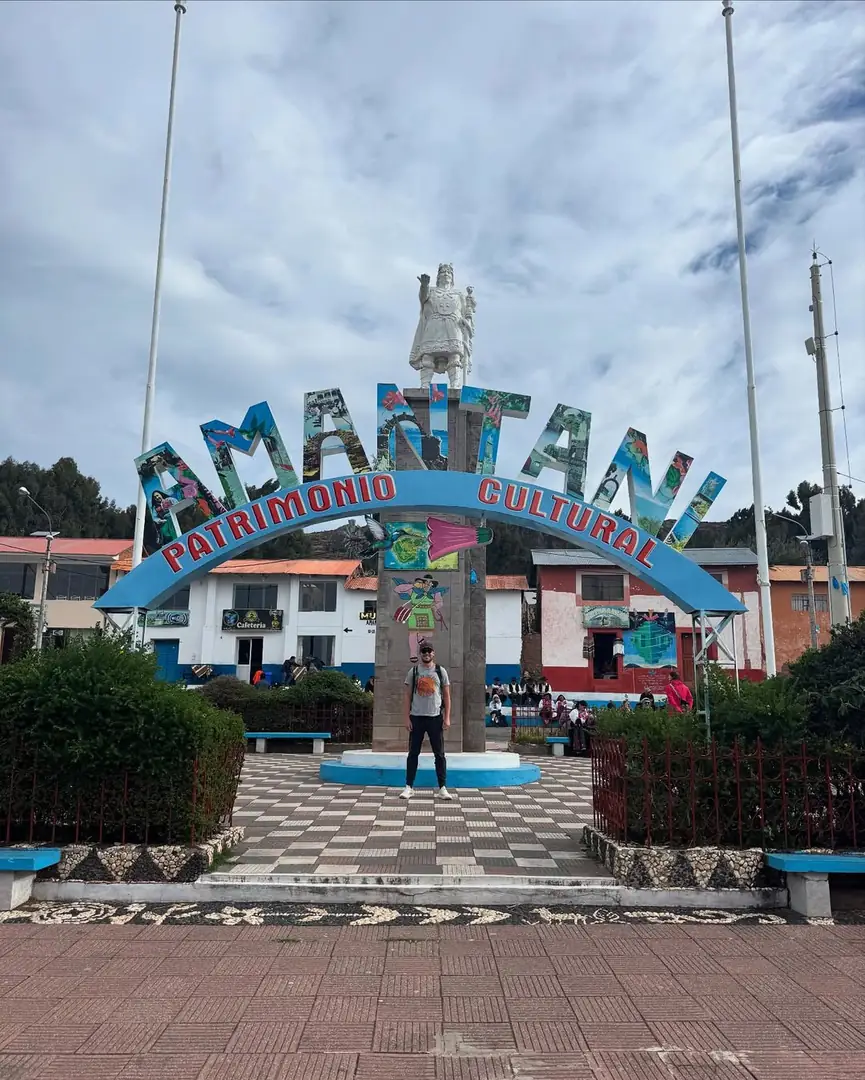
At 8:30, you'll set off by boat to Amantaní Island. The boat ride lasts until approximately 10:00, although arrival at the Amantaní port usually happens at 1:00 p.m. When you disembark, local families will welcome you and, after a 30-minute walk along trails with panoramic views, you'll reach the homes of Amantaní. Lunch awaits you there at 2:00 p.m., prepared with fresh Andean ingredients (potatoes, carrots, onions, among others).
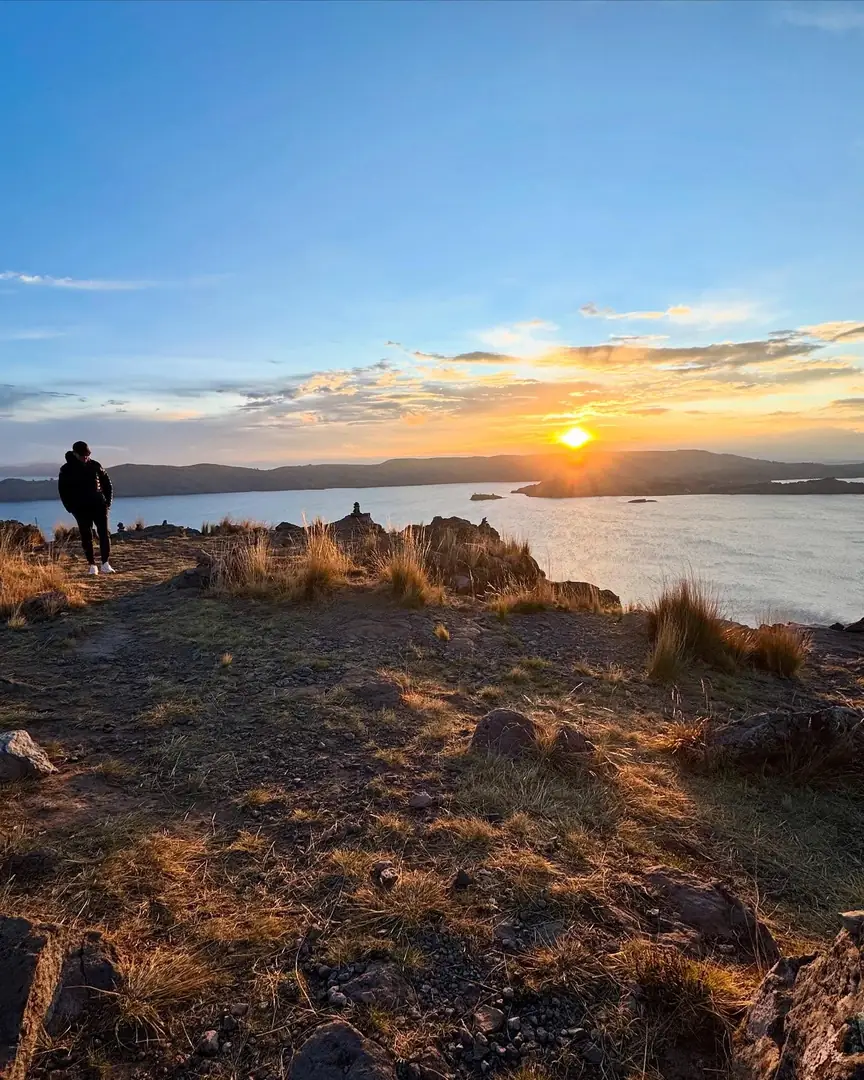
After lunch, at around 4:00, your host family will take you to the top of the island to visit the ceremonial temples of Pachamama and Pachatata. You'll have about an hour to watch the sunset and take in the majesty of Lake Titicaca. At around 6:00, you'll return to the local home for dinner.
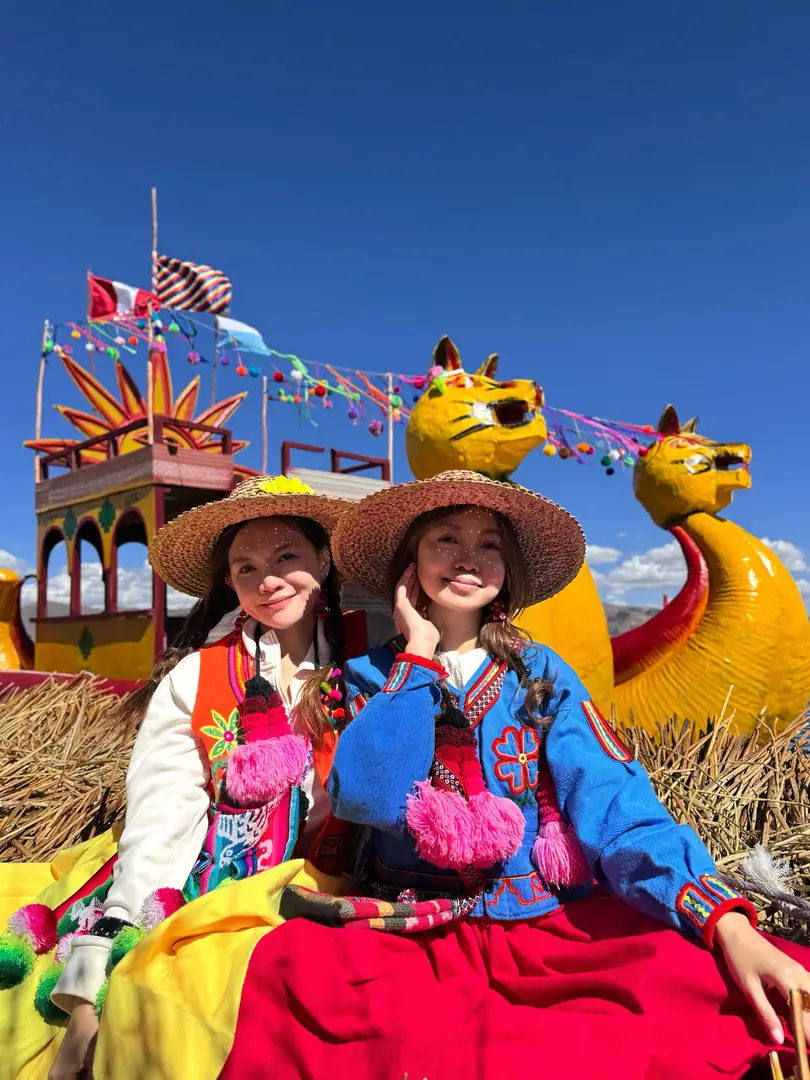
At around 8:00, the party will begin in the community hall or a space set up by the community, where locals play traditional music on instruments such as the quena, the zampoña and the bombo. During the celebration, men can wear a poncho and chullo, and women a skirt, chumpi, jacket and brightly colored hat, typical of Amantaní. The festivities end at approximately 10:00 p.m., when you'll return to the house to rest.
At 7:00 a.m., we'll have breakfast with a privileged view of Lake Titicaca. At 8:00, you'll set off by boat to Taquile Island, arriving at around 9:00. There, we'll climb a trail to the main area and reach the island's main square at approximately 10:30.
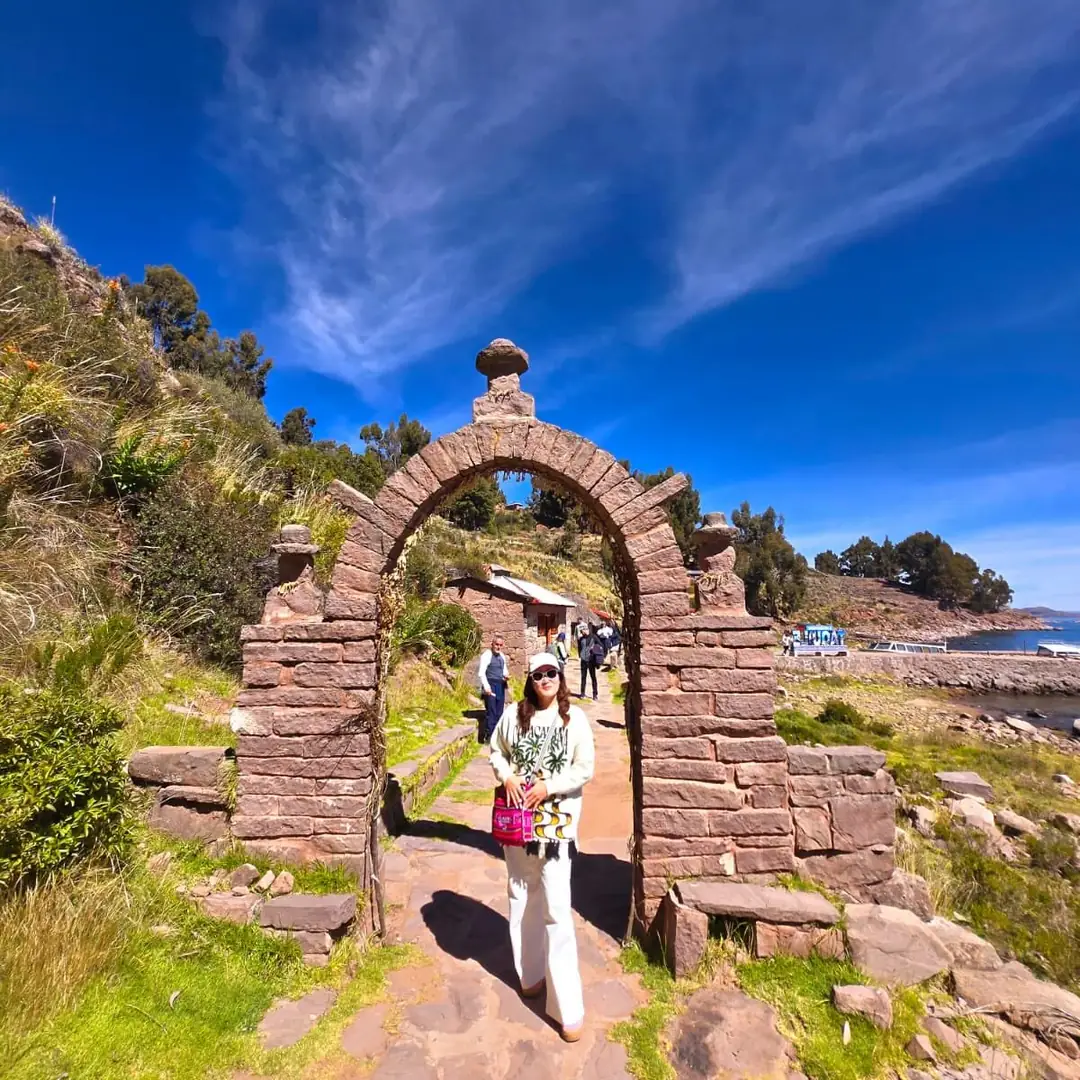
Taquile is internationally renowned for its textile tradition, and you'll see how its people preserve deep-rooted customs, visible in their clothing and textiles. At midday, you'll head to a local restaurant to enjoy a traditional lunch, surrounded by panoramic views of the lake. At 1:30, you'll return to the pier to board the boat back to Puno, arriving at around 4:00 p.m. and wrapping up this two-day experience on the highest navigable lake in the world.
The tour starts in the morning from the port of Puno and ends the following afternoon, after the guided visit to Taquile Island.
Yes, some family homes have solar power for charging devices. However, access may be limited, so we recommend bringing portable chargers.
Fishing and bird hunting were traditionally their main activities, along with knowledge and practices related to handling the totora reeds they use to build the floating islands. Today, tourism is one of their main sources of income.
April to May is the best time, as there's less rain and the weather conditions are more favorable.
We recommend hiking and seeing the extraordinary textiles made by its women artisans.
During the day, light clothing; at night, it's best to have a jacket handy, as the temperature drops. We also recommend bringing sports shoes and thermal clothing.
Uros: fishing and bird hunting were traditionally their main activities, along with knowledge and practices related to handling the totora reeds they use to build the floating islands. Today, tourism is one of their main sources of income.